Welcome to Learning Design Insights—Elevating Education Through Design
Greetings, Learning Enthusiast!
Step into a world of innovative instructional design with Larsen Designed. Our mission is to empower educators, trainers, and organizations with engaging, results-driven training solutions. From dynamic e-learning modules to impactful workshops, we craft learner-centered experiences that boost performance and inspire growth.
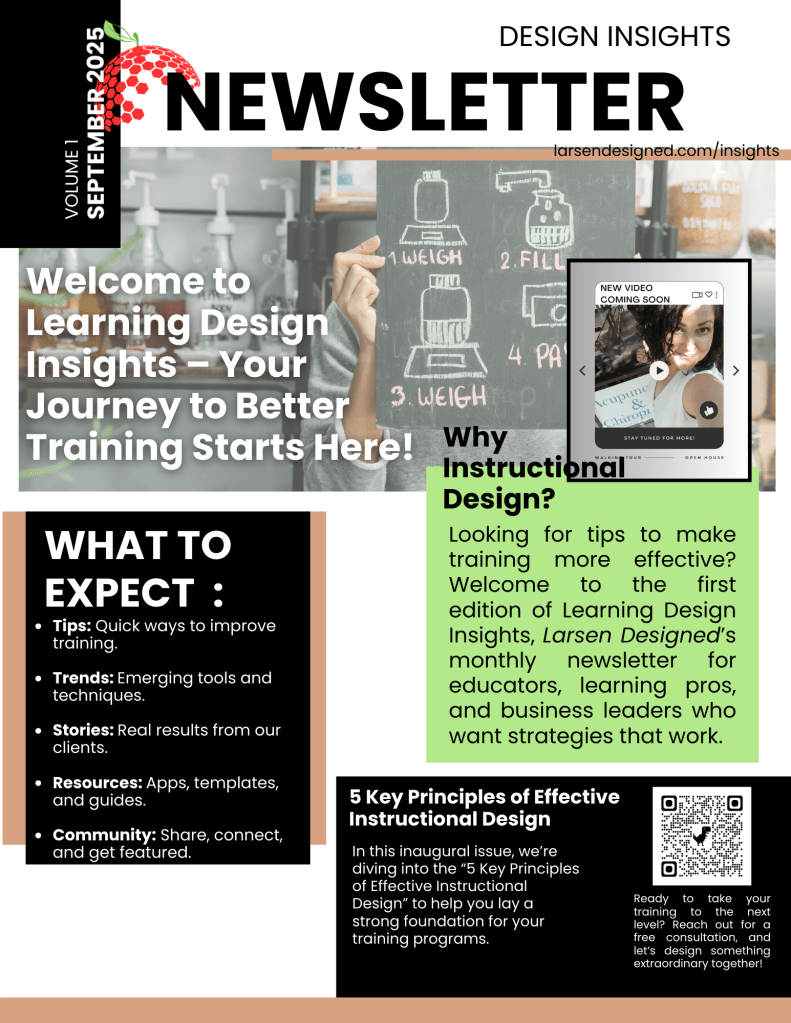
Explore our resources for expert tips, industry trends, and success stories. Stay connected by subscribing to our monthly newsletter, Learning Design Insights, launching this September with “5 Key Principles of Effective Instructional Design.”
Ready to transform your training? Dive into our content or contact us for a free consultation today!
Best,
Victoria!
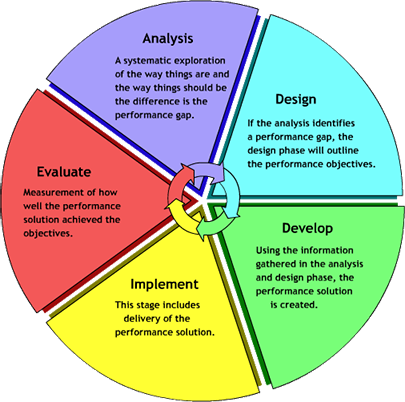
Centering the Learner Within Instructional Design: The Evolution of Learning Design and the Emergence of Learning Experience Design (LXD) in Workforce Training and Development
Hickey, S., & Correia, A.-P. (2024). Centering the Learner Within Instructional Design: The Evolution of Learning Design and the Emergence of Learning Experience Design (LXD) in Workforce Training and Development. Journal of Educational Technology Systems, 52(4), 429-447. https://doi.org/10.1177/00472395231226094 (Original work published 2024)
Abstract
Evolving from its instructional design origins and directly related to contemporary learning experience design (LXD), learning design has emerged as a movement within the field of workplace learning and development that seeks to shift the focus of training and education from the content to the learner. The origins of this learner focus can be traced to the development of instructional design theories and the emergence of learning sciences in the late 20th century, along with the expansion of competencies required of the modern instructional designer.
Advances in our understanding of how people learn and changes in sociocultural aspects related to learning have led designers to structure experiences for learners that increase their autonomy and seek to meet each learner’s unique needs. The origins of this learner focus can be traced to the development of instructional design theories and the emergence of learning sciences in the late 20th century, along with the expansion of competencies required of the modern instructional designer. Advances in our understanding of how people learn and changes in sociocultural aspects related to learning have led designers to structure experiences for learners that increase their autonomy and seek to meet each learner’s unique needs.
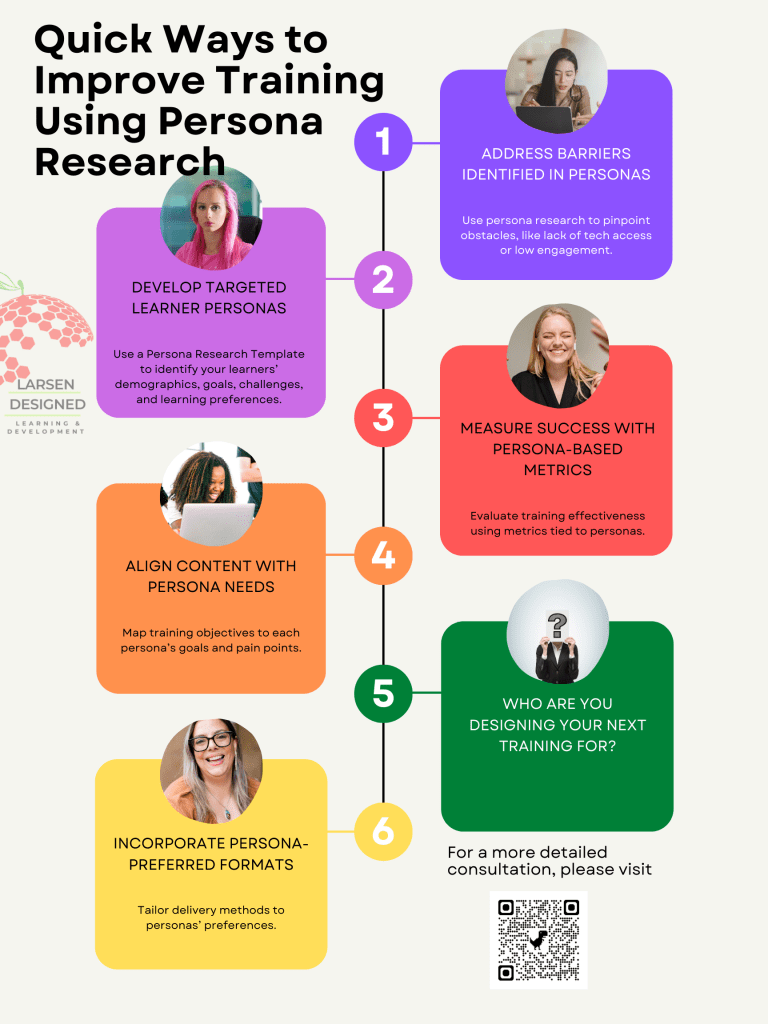
5 Persona Research Tips to Revolutionize Your Training Design
Discover five quick, actionable ways to enhance your training programs using persona research—tailored to your learners’ needs and preferences. From crafting targeted content to addressing barriers, these strategies draw on our experience designing impactful e-learning, workshops, and more.
Ready to elevate your training? Explore our resources or contact us for a free consultation today!
- Develop Targeted Learner Personas. Use a Persona Research Template to identify your learners’ demographics, goals, challenges, and learning preferences. For example, if designing for healthcare professionals, note their busy schedules and preference for concise, practical content.
- Align Content with Persona Needs Map training objectives to each persona’s goals and pain points. For instance, if a persona like “Small Business Owner Sarah” struggles with time, incorporate microlearning modules (5–10 minutes) that deliver quick, actionable skills.
- Incorporate Persona-Preferred Formats Tailor delivery methods to personas’ preferences. If research shows your learners (e.g., corporate trainers) prefer visuals over text, use infographics or short instructional videos, leveraging your skills in creating engaging visuals.
- Address Barriers Identified in Personas Use persona research to pinpoint obstacles, like lack of tech access or low engagement. For example, if “Remote Worker Rachel” faces distractions, design training with gamified elements (e.g., quizzes or leaderboards) to boost focus, drawing on your expertise in gamification.
- Measure Success with Persona-Based Metrics Evaluate training effectiveness using metrics tied to personas. For instance, if “HR Manager Mike” needs compliance training, track completion rates and quiz scores to measure knowledge gain.

Product Spotlight: Articulate 360 Powers Precision Point Academy’s Webinar Success
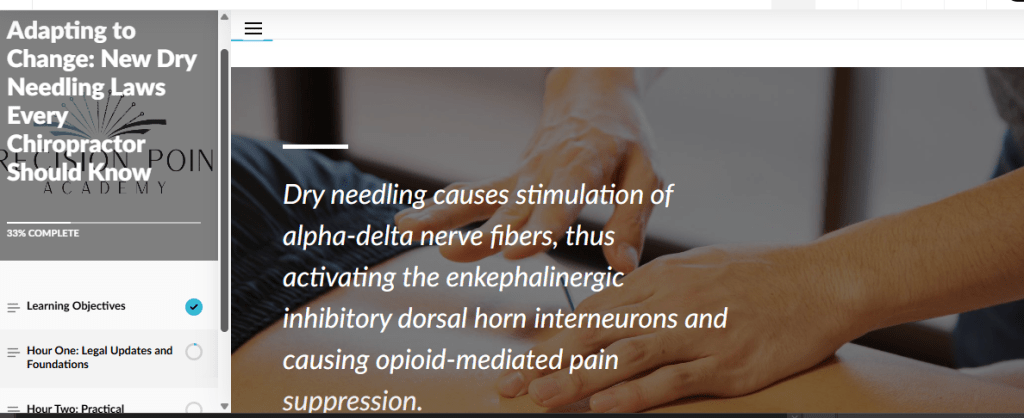
At Larsen Designed, we’re committed to delivering engaging, impactful training solutions. This month, we’re spotlighting Articulate 360, the industry-leading e-learning authoring tool that helped Precision Point Academy deliver a dynamic live webinar on Florida’s new chiropractic laws for dry needling, hosted by the Florida Chiropractic Professional Association (FCPA). With Articulate 360, we crafted an interactive, learner-centered experience that empowered chiropractors with critical knowledge.
Why Articulate 360 Shines
- Interactive Design: Created engaging slides with quizzes and scenarios to explain dry needling regulations, keeping participants hooked.
- Seamless Delivery: Streamlined content creation for the FCPA webinar, ensuring clear visuals and smooth navigation for virtual attendees.
- User-Friendly: Enabled rapid development of professional-grade materials, perfect for busy instructional designers.
- Versatile Output: Delivered mobile-friendly content, aligning with chiropractors’ on-the-go needs.
Ready to elevate your training? Contact us to design your next webinar!

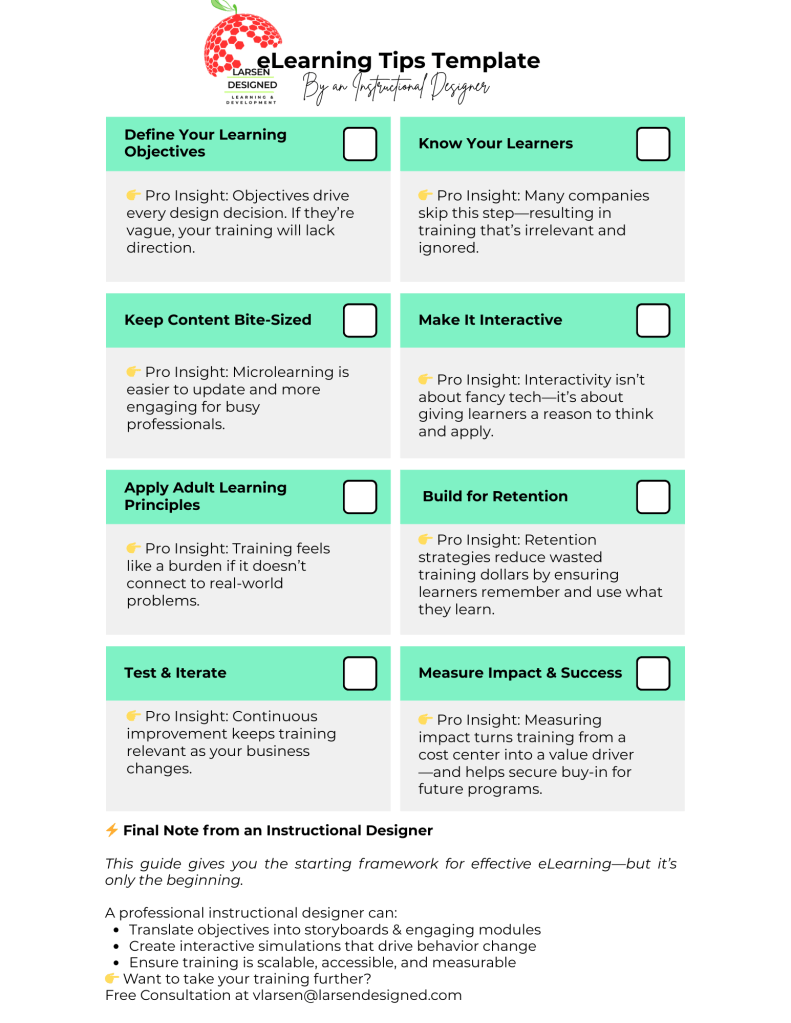
8 eLearning Tips to Elevate Your Training
- Define Your Learning Objectives
Set clear, measurable goals to guide your course. Want to align objectives with outcomes? Book a consultation to craft a winning roadmap! - Know Your Learners
Understand your audience’s needs and preferences. Curious how to tailor content effectively? Let’s dive into learner-centric strategies together. - Keep Content Bite-Sized
Break lessons into short, digestible chunks. Need help designing concise modules? Schedule a session for expert tips on microlearning! - Make It Interactive
Engage learners with quizzes, scenarios, and hands-on tasks. Ready to boost participation? Contact us to explore interactive tools. - Apply Adult Learning Principles
Design with adult learners’ motivations in mind. Want to create relevant, practical courses? Book now to master adult learning techniques. - Build for Retention
Use repetition and reinforcement to make knowledge stick. Wondering how to maximize recall? Let’s create retention-focused strategies. - Test and Iterate
Refine your course through feedback and testing. Need a process to perfect your content? Schedule a call to learn iterative design secrets. - Measure Impact & Success
Track metrics to prove your training’s value. Want to showcase real results? Book a consultation to unlock data-driven insights.
Transform your eLearning with these proven strategies! Contact us today to dive deeper and create impactful, learner-focused experiences.
8 eLearning Tips to Elevate Your Training
From leveraging interactive tools to personalizing learning experiences, these tips will help you captivate your audience and achieve measurable results. Ready to elevate your eLearning game? Book a consultation with us today to dive deeper into these strategies and unlock a world of possibilities for your learners!
vlarsen@larsendesigned.com
Subscribe to Learning Design Insights for more tools and tips!
Stay Tuned For More!
 Larsen Designs